

“Everyone has the right freely to participate in the cultural life of the community, to enjoy the arts and to share in scientific advancement and its benefits.” UN Declaration of Human Rights Article 27.
Factors that limit access to music include: stigma, ageism, digital exclusion, restrictions in residential and hospital settings or lack of knowledge and training on the potential of music for dementia.
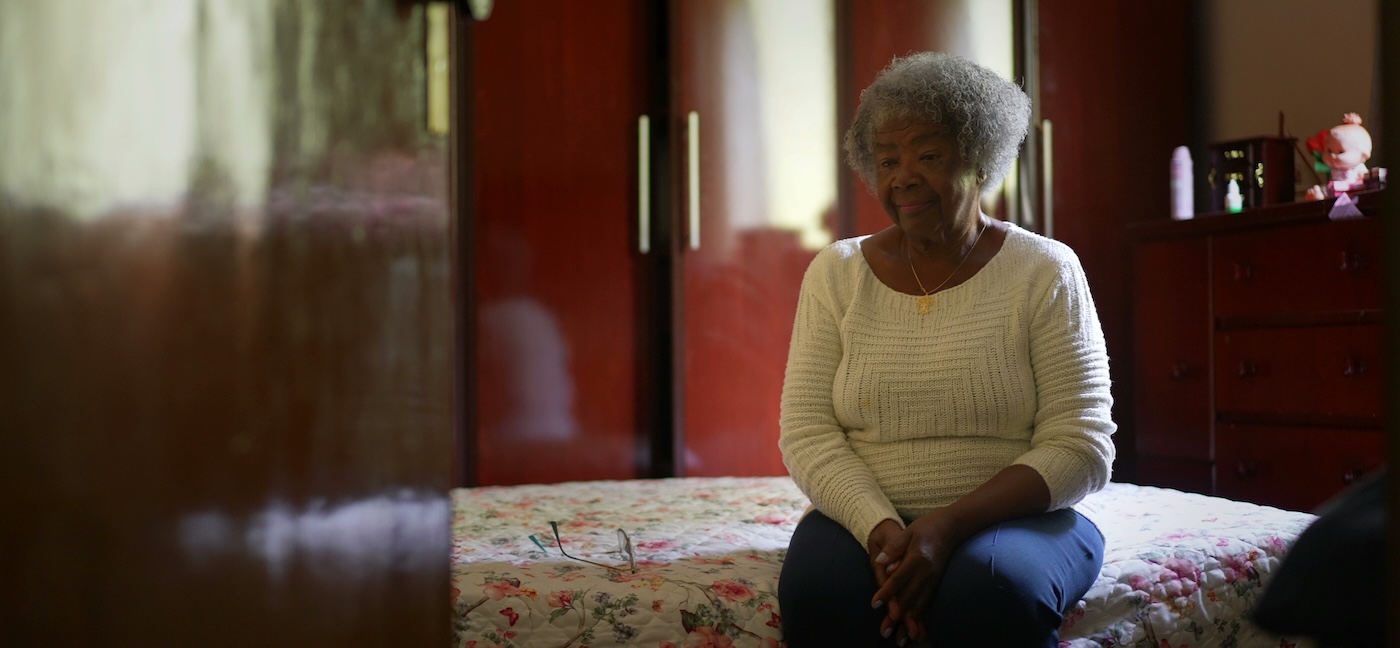

Systemic change is needed to increase access to music amongst older people in all countries and all places, whether in their own homes or in group care settings.
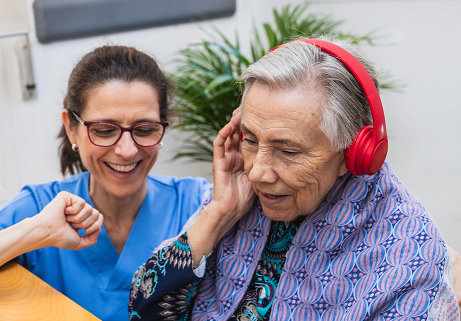
Music-based interventions have been shown to reduce anxiety, depression, agitation, and loneliness, while improving speech, sleep, appetite, gait, social connection, and overall quality of life. However, these benefits remain largely inaccessible to many communities around the globe.
To receive the most recent updates from IMDAC via email, please sign our manifesto and select 'keep me informed' .
With 278 people registered, this free, global event numbered up to 118 participants in the six sessions. Thanks to the speakers, the organising team and to all who contributed!
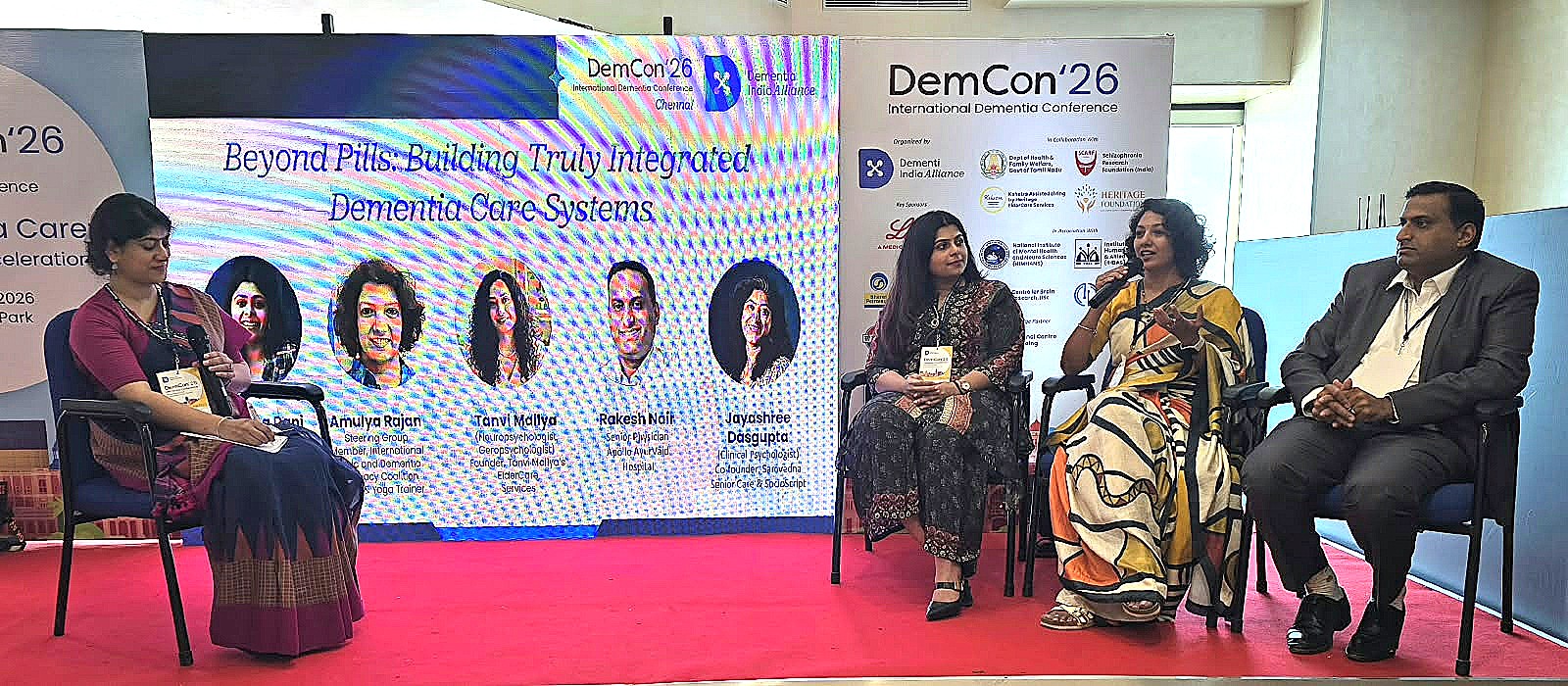
Steering Group member Amulya Rajan speaking on a panel at DemCon 20206.